
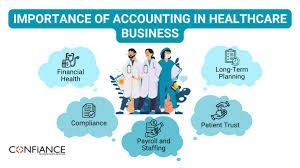
Accurate accounting is one of the most essential foundations of a successful healthcare organization. Hospitals, clinics, and private practices handle complex financial systems involving insurance claims, patient billing, reimbursements, and regulatory compliance. Without precise financial management, even the best healthcare providers can struggle to stay operational and deliver quality care. Healthcare accounting is not just about numbers—it directly impacts patient care, legal compliance, and long-term sustainability. More insights on specialized healthcare financial services can be found at https://www.bobsbookkeepers.com/healthcare
Ensuring Financial Stability in Healthcare Organizations
Healthcare providers operate in a high-cost, high-risk financial environment where small errors can lead to major financial losses. Accurate accounting ensures that revenue from patients, insurance companies, and government programs is properly recorded and tracked. When financial records are correct, healthcare organizations can manage cash flow effectively, pay staff on time, and invest in medical equipment and infrastructure. Poor accounting, on the other hand, can lead to missed payments, revenue leakage, and financial instability that threatens the entire organization’s operations. Studies show that inaccurate financial reporting can also distort decision-making and reduce operational efficiency in healthcare settings.
Supporting Compliance with Healthcare Regulations
Healthcare is one of the most heavily regulated industries in the world. Providers must comply with strict rules such as billing standards, tax regulations, and patient privacy laws. Accurate accounting ensures that financial records meet regulatory requirements and are audit-ready at all times. Errors in financial reporting can lead to penalties, legal issues, and reputational damage. Compliance also extends to proper revenue recognition and documentation practices, which help organizations avoid fraud risks and regulatory violations. Accurate accounting acts as a safeguard that protects healthcare providers from costly legal consequences.
Improving Revenue Cycle Management
One of the most complex aspects of healthcare finance is the revenue cycle, which includes billing, claims submission, insurance verification, and payment collection. Accurate accounting ensures that every step of this cycle is tracked correctly. Even small mistakes in coding or billing can lead to claim denials, delayed payments, or lost revenue. Healthcare organizations rely on precise financial data to monitor reimbursements and identify bottlenecks in the payment process. When revenue cycle management is accurate, providers experience faster payments and improved financial performance, allowing them to focus more on patient care.
Enhancing Patient Care and Service Quality
Accurate accounting does not only benefit financial departments—it directly influences patient care. When healthcare providers manage their finances properly, they can allocate resources effectively, maintain modern medical equipment, and hire qualified staff. Poor financial management may lead to budget cuts, staff shortages, or reduced access to essential services. Inaccurate billing can also create confusion for patients, resulting in unexpected charges or overpayments that damage trust. On the other hand, strong accounting practices improve transparency and ensure patients receive fair and accurate billing experiences.
Strengthening Decision-Making and Strategic Planning
Healthcare leaders depend on accurate financial data to make informed decisions. Whether it involves expanding services, investing in new technology, or hiring additional staff, financial accuracy plays a critical role. Reliable accounting reports help organizations analyze profitability, control expenses, and plan for long-term growth. Without accurate data, decision-makers risk making poor financial choices that could negatively affect both operations and patient outcomes. In healthcare, where resources are limited and demand is high, strategic planning must always be backed by precise financial information.
Managing Complex Healthcare Revenue Systems
Healthcare accounting is uniquely complex compared to other industries because of multiple revenue streams. Providers must handle payments from private patients, insurance companies, Medicare, Medicaid, and other funding sources. Each payer has different rules, reimbursement timelines, and documentation requirements. Accurate accounting ensures that all these transactions are properly recorded and reconciled. It also helps organizations manage accounts receivable and reduce delays caused by insurance disputes or billing errors. Without accuracy, financial reconciliation becomes difficult and can result in long-term financial gaps.
Reducing Financial Risks and Preventing Fraud
Inaccurate accounting increases the risk of fraud, overbilling, underbilling, and financial mismanagement. Healthcare organizations must maintain strong internal controls to detect and prevent errors before they become serious issues. Accurate financial systems make it easier to track transactions, verify claims, and ensure transparency across departments. This reduces the risk of financial loss and builds trust with patients, insurers, and regulatory authorities. Strong accounting practices also help organizations identify suspicious activity early and take corrective action.
Supporting Long-Term Sustainability of Healthcare Providers
Sustainability in healthcare depends heavily on financial accuracy. Hospitals and clinics that maintain precise accounting systems are better equipped to survive economic challenges, policy changes, and rising operational costs. Accurate financial reporting ensures that organizations can plan budgets effectively and maintain profitability while continuing to provide high-quality care. Over time, this stability allows healthcare providers to expand services, adopt new technologies, and improve patient outcomes without compromising financial health.
Conclusion
Accurate accounting is not just a back-office function in healthcare—it is a critical component of operational success, compliance, and patient care. From managing revenue cycles to ensuring regulatory compliance and improving decision-making, financial accuracy supports every aspect of a healthcare organization. Without it, providers risk financial instability, legal issues, and reduced quality of care. For healthcare organizations aiming for long-term success, investing in accurate accounting systems and expertise is essential. Learn more about specialized healthcare bookkeeping services at https://www.bobsbookkeepers.com/healthcare