
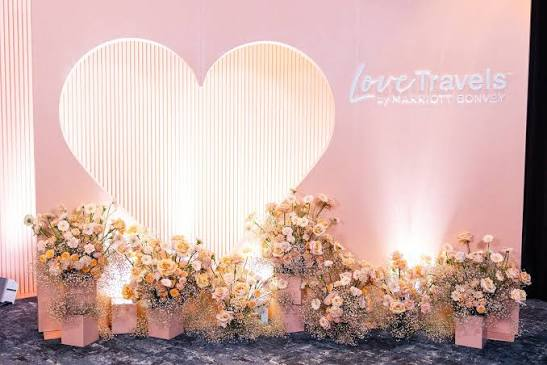
Every event has a unique atmosphere, from the excitement of a corporate gathering to the happiness of a wedding celebration or the enthusiasm of a community festival. These occasions bring people together, create meaningful connections, and produce memories worth preserving. Professional photography helps capture these moments so they can be remembered long after the event has ended. A skilled DC Event Photographer understands how to document not only what happens but also the emotions, interactions, and atmosphere that make each occasion special.
Washington, DC, offers a diverse range of events throughout the year. Conferences, business meetings, charity fundraisers, private celebrations, cultural festivals, and official ceremonies all create different photographic opportunities. Capturing these occasions successfully requires preparation, technical knowledge, creativity, and an understanding of human behavior.
Understanding the Atmosphere of Every Event
One of the most important responsibilities of an event photographer is understanding the character of an occasion. Every event has its own purpose, audience, and emotional tone. A corporate conference may require polished images that communicate professionalism, while a birthday celebration may call for spontaneous photographs filled with laughter and excitement.
Before the event begins, photographers should learn about the schedule, venue, important guests, and key activities. Speaking with event organizers helps establish which moments deserve special attention. For example, a product launch may require photographs of presentations, demonstrations, guest reactions, and branded displays.
Understanding the atmosphere allows photographers to anticipate meaningful moments rather than simply reacting when something happens. This preparation helps create a complete visual record of the event.
Capturing Genuine Emotions and Candid Moments
Some of the most memorable event photographs happen naturally. A warm greeting between colleagues, a spontaneous burst of laughter, or an emotional response during a speech can communicate more than a carefully arranged photograph.
Candid photography focuses on these unscripted interactions. Instead of asking everyone to pose, photographers observe the environment and remain ready to capture authentic expressions. This approach creates images that feel natural and reflect the genuine experiences of attendees.
A professional DC event photographer must also understand when to remain discreet. Moving quietly, choosing appropriate shooting positions, and avoiding unnecessary interruptions allow guests to enjoy the occasion while their experiences are documented.
However, candid photography should always respect personal boundaries. At private gatherings or sensitive events, photographers should follow the organizer’s guidelines and obtain permission when appropriate.
Using Lighting to Create Powerful Images
Lighting has a major influence on the quality and mood of event photography. Washington, DC, venues range from bright conference halls and outdoor gardens to historic buildings with dim interiors. Each environment presents different lighting conditions.
Natural light can produce soft, appealing photographs during daytime receptions, outdoor ceremonies, and networking sessions. Photographers can make use of windows, shaded areas, and available daylight to achieve balanced results.
Indoor events may require additional lighting equipment or adjustments to camera settings. Understanding exposure, shutter speed, aperture, and ISO helps photographers capture sharp images without losing the atmosphere of the venue.
Flash can be useful in darker environments, but it should be used thoughtfully. Excessive or poorly directed flash may distract guests or change the natural appearance of a scene. Careful lighting choices help preserve the event’s mood while ensuring that important details remain visible.
Telling a Complete Story Through Photography
Successful event photography involves more than collecting attractive individual images. It creates a visual story that communicates how the occasion unfolded.
A complete photographic collection usually includes several types of images. Wide photographs establish the setting and show the scale of the gathering. Medium shots capture conversations, presentations, and group activities. Close-up images highlight expressions, decorations, event materials, and other meaningful details.
Photographers should document different stages of the occasion, including preparation, guest arrivals, opening remarks, main activities, informal interactions, and closing moments. This variety provides context and makes the final gallery more engaging.
For a Washington, DC, business event, photographs might show the venue exterior, registration area, keynote speaker, audience participation, networking conversations, and award presentations. Together, these images communicate the event’s purpose and atmosphere.
Preparing for Washington, DC, Venues
Washington, DC, has a distinctive combination of modern conference facilities, elegant hotels, historic landmarks, museums, and outdoor event spaces. Each location offers different photographic possibilities.
Before arriving, photographers should review the venue layout and identify potential shooting locations. Understanding where the stage, seating areas, entrances, and important displays are positioned can save valuable time during the event.
Travel and scheduling also deserve attention. Traffic, parking restrictions, security procedures, and venue access requirements may affect arrival times. Reaching the location early gives photographers an opportunity to check equipment, test lighting, and capture images of the space before guests arrive.
Outdoor events require additional planning because weather and changing daylight can affect the schedule. Having backup equipment and a flexible approach helps photographers respond to unexpected conditions.
Building Relationships With Guests and Organizers
Technical expertise matters, but strong communication skills are equally important. Event photographers regularly interact with organizers, speakers, business representatives, and attendees. A friendly, professional approach helps everyone feel comfortable.
Before the event, photographers should confirm the expected deliverables, important guests, group photographs, and any restrictions on photography. Clear communication reduces confusion and ensures that essential moments are not overlooked.
During formal portraits, simple instructions can help people position themselves naturally. For candid photographs, a relaxed presence often encourages more genuine expressions.
Working closely with organizers also helps photographers understand the event’s priorities. For example, a nonprofit fundraiser may need photographs of sponsors, volunteers, speakers, and fundraising activities. A corporate networking event may place greater emphasis on professional interactions and brand visibility.
Choosing the Right Equipment and Techniques
Reliable equipment supports consistent results in changing event environments. Professional photographers commonly use cameras with dependable autofocus, suitable lenses, and strong performance in low-light conditions.
A versatile zoom lens can help capture both wide venue views and closer moments without frequent lens changes. A faster lens may be useful for indoor events where lighting is limited. Spare batteries, memory cards, and backup equipment provide additional security.
Equipment alone, however, does not guarantee excellent photographs. Composition, timing, focus, and awareness of the surroundings remain essential. Photographers should pay attention to distracting backgrounds, blocked views, and important details that might otherwise be missed.
Reviewing images periodically helps identify technical issues while there is still time to correct them.
Delivering a Professional and Memorable Gallery
The work continues after the event concludes. Image selection and editing help transform hundreds or thousands of photographs into a polished collection that is easy to review and share.
Photographers typically remove duplicate images, select the strongest expressions and compositions, and make consistent adjustments to exposure, color, and contrast. Editing should improve image quality without making the photographs appear unnatural.
Delivery arrangements should be established in advance. Clients may need a small selection of images quickly for social media, while the complete gallery may follow later. Corporate clients might also require photographs in specific formats or sizes for websites, newsletters, and promotional materials.
Respecting privacy, protecting image files, and following agreed usage rights are important parts of professional service.
Conclusion
A skilled DC event photographer does much more than record people and places. They capture the energy of a crowded reception, the emotion of an important announcement, the excitement of a celebration, and the connections that bring people together.
Through thoughtful preparation, creative composition, effective lighting, and professional communication, photographers can preserve the distinctive character of every occasion. Washington, DC, provides countless opportunities to document meaningful gatherings, from business conferences to cultural celebrations and private events.
Choosing an experienced photographer helps event organizers create a lasting visual record of their efforts. The resulting photographs can support marketing, strengthen professional relationships, celebrate achievements, and preserve memories for years to come. When every moment matters, thoughtful event photography ensures that the atmosphere and emotion of the occasion are not lost when the day is over.