
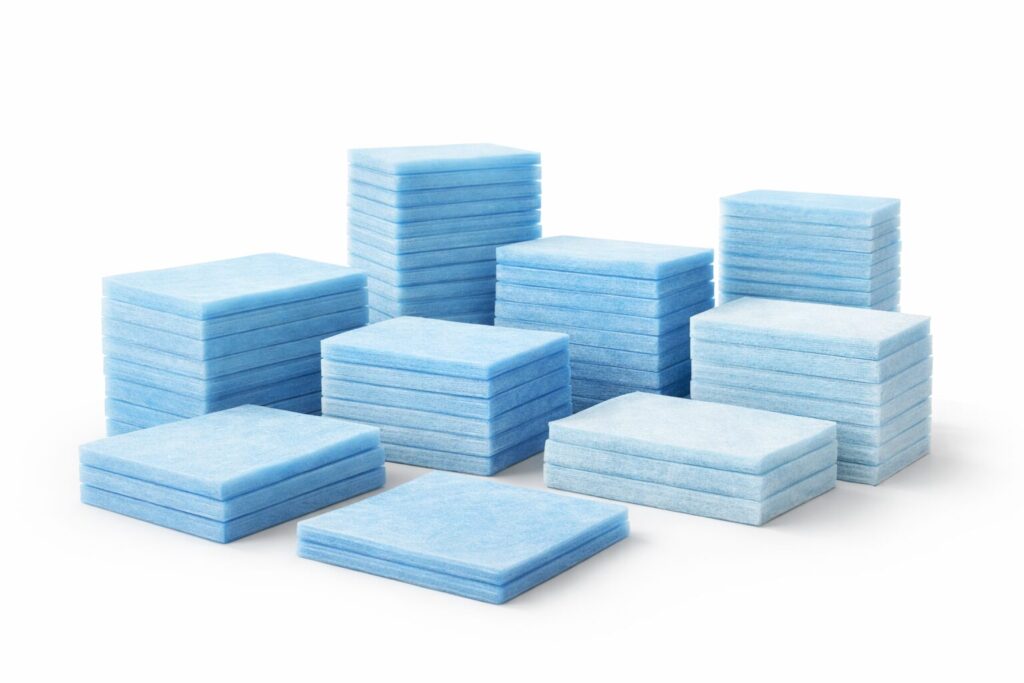
Modern heating, ventilation, and air conditioning (HVAC) systems are designed to provide comfortable indoor temperatures and reliable air quality throughout the year. However, the efficiency and performance of these systems depend on many factors, including proper maintenance, suitable equipment settings, and effective air filtration. One of the simplest but most important components is the lüftungsfilter. Choosing the right filter for a ventilation system can help maintain consistent airflow, protect internal components, and support efficient operation over the long term.
A properly selected filter does more than capture airborne particles. It also contributes to the overall balance between air cleanliness, pressure drop, energy consumption, and equipment protection. When the filtration solution matches the needs of the HVAC system, building, and indoor environment, it can play an important role in supporting dependable performance and potentially reducing unnecessary operating costs.
Understanding the Role of Air Filters in HVAC Systems
Every HVAC and ventilation system moves air through a network of ducts, fans, heat exchangers, coils, and other components. As air circulates, it can carry dust, pollen, fibers, dirt, and other airborne particles. Without suitable filtration, these contaminants may enter the equipment and accumulate on sensitive surfaces.
A lüftungsfilter is designed to capture a portion of these particles before they travel further through the ventilation system. This helps protect equipment while also contributing to cleaner air distribution throughout the building. The exact level of filtration required depends on the application, the design of the HVAC system, and the desired indoor air quality.
For example, offices, schools, commercial buildings, production facilities, and residential properties may all have different filtration requirements. Selecting a filter based only on price or appearance may result in poor performance. Instead, filtration should be considered as part of the entire HVAC system.
Why the Right Filter Matters for Efficiency
HVAC efficiency is closely connected to airflow. Fans and air-handling equipment are designed to move a specific volume of air under particular operating conditions. When a filter becomes heavily loaded with dust, the resistance to airflow can increase. The system may then need to work harder to maintain the required air volume.
The right lüftungsfilter can help create a practical balance between filtration performance and airflow resistance. A filter that is too restrictive for a particular system may increase pressure drop and energy demand. On the other hand, a filter that provides insufficient particle capture may allow contaminants to enter the system and contribute to fouling of internal components.
This is why filter selection should always consider the specifications of the ventilation equipment. The objective is not simply to choose the filter with the highest possible filtration level. Instead, the goal is to select an appropriate solution that provides the required level of particle removal while remaining compatible with the system’s airflow and operating requirements.
Choosing the Appropriate Filter Class
Different ventilation applications require different levels of filtration. Common filter classes include G4, M5, F7, and F8, with each offering different filtration characteristics and applications.
G4 filters are commonly used as coarse filtration solutions and can help capture larger airborne particles. They are often suitable as prefilters in ventilation systems where protecting downstream components from larger contaminants is important.
M5 filters provide a higher level of particle capture and may be used in applications where improved filtration is required. Depending on the system design, they can serve as part of a staged filtration approach.
F7 and F8 filters provide finer filtration and are commonly selected for applications that require greater control of smaller airborne particles. However, finer filtration can also affect airflow resistance, making it particularly important to check the compatibility between the filter and the ventilation equipment.
The appropriate choice should therefore be based on the manufacturer’s recommendations, system specifications, indoor air quality requirements, and the operating environment.
Filter Quality and Long-Term HVAC Performance
The physical quality of a filter can have a significant impact on long-term HVAC operation. A well-designed filter should fit correctly within its housing and maintain its structural integrity during operation. Poorly manufactured or incorrectly sized filters may allow air to bypass the filtration media, reducing effective filtration.
A quality lüftungsfilter should be suitable for the intended ventilation application and manufactured according to relevant specifications. Proper dimensions are also essential. Even a high-quality filter may perform poorly if it does not fit securely into the filter frame.
Reliable filter construction can also help support predictable system performance. When filtration media, frames, seals, and other components are designed appropriately, the system can operate more consistently between maintenance intervals.
The Importance of Regular Filter Replacement
Even the best filter cannot maintain optimal performance indefinitely. As particles accumulate on the filtration media, airflow resistance can gradually increase. For this reason, regular inspection and timely replacement are essential parts of HVAC maintenance.
The replacement interval depends on several factors, including indoor air pollution levels, building occupancy, operating hours, outdoor conditions, and the type of filter being used. A ventilation system operating in a dusty environment may require more frequent filter changes than a system in a relatively clean office.
Rather than relying solely on a fixed calendar schedule, facility managers can monitor filter condition and, where appropriate, pressure differences across the filter. This can provide useful information about when replacement is necessary.
Replacing a loaded filter at the appropriate time helps the HVAC system maintain the required airflow without unnecessary resistance. It also helps protect fans, coils, heat exchangers, and other components from excessive contamination.
How Filtration Supports Energy Management
Energy efficiency is an important consideration for building owners and facility managers. HVAC systems often account for a substantial portion of a building’s energy use, which means even small improvements in operating efficiency can be valuable over time.
An appropriately selected lüftungsfilter can contribute to energy management by supporting efficient airflow and helping prevent excessive system resistance. However, filtration efficiency and energy performance must be considered together.
A filter with excellent particle capture characteristics may not automatically be the most energy-efficient option for every system. If its resistance is too high for the equipment, fan energy consumption may increase. Conversely, using a filter with insufficient filtration performance may expose HVAC components to greater contamination.
The best solution is one that meets the required filtration objectives while maintaining acceptable pressure drop and airflow characteristics.
Protecting HVAC Components From Contamination
Dust and airborne particles can accumulate on components such as heating and cooling coils. This buildup may reduce heat transfer efficiency and make the system less effective. Fans and other mechanical components can also be affected by contamination over time.
By capturing particles before they reach sensitive equipment, a suitable filter can help reduce the amount of contamination entering the HVAC system. This protective function can support easier maintenance and help preserve equipment performance.
Although filtration cannot eliminate the need for professional HVAC servicing, it can form an important part of a broader preventive maintenance strategy.
Buying Quality Lüftungsfilter for Ventilation Systems
Selecting a reliable supplier is another important part of maintaining long-term filtration performance. A specialist Online-Shop mit einer großen Auswahl an hochwertigen G4, M5, F7, F8 Filtern für Lüftungsanlagen in Deutschland zu besten Preisen direkt vom Hersteller can make it easier for customers to find filters suited to different ventilation requirements.
The availability of certified and appropriately manufactured products can also help customers make more informed purchasing decisions. Die besten Preise für Lüftungsfilter in unserem deutschen Onlineshop may be particularly valuable for facilities that need to replace filters regularly across multiple systems.
For businesses and property managers, purchasing directly from a manufacturer can provide access to a broad selection of filter classes and specifications. Hochwertige, zertifizierte Filter für Lüftungsanlagen direkt vom Hersteller can support consistent purchasing and help ensure that replacement filters meet the requirements of the ventilation system.
Creating a Long-Term HVAC Maintenance Strategy
Choosing the right filter is only one part of maintaining HVAC efficiency. A comprehensive maintenance strategy should include regular inspections, cleaning of relevant equipment, monitoring of airflow, checking pressure differences, and timely filter replacement.
Facility managers should also keep records of filter changes and observe how different filters perform under actual operating conditions. This information can help identify patterns and determine appropriate replacement intervals.
When filter selection, maintenance, and system monitoring work together, HVAC equipment can operate more reliably. The result may be improved airflow consistency, better equipment protection, and more predictable energy performance.
Conclusion
The right lüftungsfilter can make an important contribution to long-term HVAC system efficiency. By balancing filtration performance with airflow resistance, protecting equipment from contamination, and supporting effective maintenance, a suitable filter can help ventilation systems operate more consistently.
Whether a system uses G4, M5, F7, or F8 filtration, the best choice depends on the specific application and equipment requirements. Selecting quality filters, checking them regularly, and replacing them at the appropriate time can help maintain dependable ventilation performance while supporting the long-term efficiency and reliability of the HVAC system.