
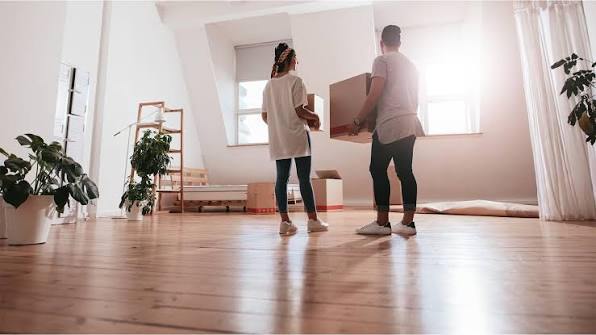
Moving during the winter months presents unique challenges that require extra planning and preparation. Snow, ice, freezing temperatures, and shorter daylight hours can make moving day more complicated than relocating during warmer seasons. However, with the right strategy and careful organization, a winter move can be completed safely and efficiently. Choosing Tetrisflytt can help make your relocation more organized while you focus on preparing your home and belongings for cold-weather conditions.
Although winter weather can be unpredictable, many people choose this season because moving services may be more readily available and neighborhoods are often less crowded. By preparing for weather-related challenges in advance, you can protect your belongings, avoid unnecessary delays, and make the transition to your new home much smoother.
Whether you’re moving locally or across a longer distance, following practical winter moving tips can help reduce stress while keeping everyone safe throughout the relocation.
Check the Weather Forecast
Monitor weather reports several days before moving.
Pay attention to:
- Snow forecasts
- Ice warnings
- Strong winds
- Temperature changes
Knowing what to expect allows you to prepare accordingly.
Clear Walkways Before Moving
Remove snow and ice from:
- Driveways
- Sidewalks
- Steps
- Entryways
Spread salt or sand on slippery areas to improve traction and reduce the risk of falls.
Protect Floors Inside the Home
Snow and slush can quickly make floors wet and slippery.
Use:
- Floor mats
- Plastic runners
- Old towels
- Protective sheets
These materials help keep both homes clean and safe.
Dress in Layers
Wear clothing that keeps you warm without restricting movement.
Recommended items include:
- Thermal clothing
- Waterproof jacket
- Warm gloves
- Winter boots
- Hat
Layered clothing allows you to adjust to changing temperatures throughout the day.
Protect Fragile Items From Cold
Some household items are sensitive to freezing temperatures.
Take extra care with:
- Electronics
- Musical instruments
- Indoor plants
- Glass decorations
Avoid leaving these items outdoors longer than necessary.
Keep an Essentials Bag Nearby
Prepare a winter essentials bag containing:
- Extra gloves
- Warm socks
- Snacks
- Water
- Phone charger
- Medications
- Flashlight
Having these supplies nearby helps if unexpected delays occur.
Allow Extra Travel Time
Winter road conditions can slow transportation.
Leave earlier than planned and avoid rushing.
Driving carefully is more important than arriving quickly.
Keep Hot Drinks Available
Warm beverages can help everyone stay comfortable during the move.
Prepare:
- Coffee
- Tea
- Hot chocolate
- Warm water
Taking short breaks also helps prevent fatigue.
Protect Furniture From Moisture
Wrap furniture using:
- Moving blankets
- Plastic covers
- Stretch wrap
Keeping moisture away helps prevent water damage during loading and unloading.
Keep Boxes Dry
Cardboard boxes become weaker when wet.
Move boxes quickly between the house and the moving vehicle.
Use plastic covers if snow or rain is falling.
Prepare Your Vehicle
Before traveling:
Check:
- Tire pressure
- Battery condition
- Windshield wipers
- Antifreeze
- Fuel level
A properly maintained vehicle is essential for winter driving.
Keep Children and Pets Warm
Moving day can be especially difficult during cold weather.
Arrange a warm, comfortable place where children and pets can stay safely while the move is taking place.
This reduces stress and improves safety.
Turn On Utilities Early
Before arriving at your new home, make sure essential services are active.
Confirm:
- Electricity
- Heating
- Water
- Internet
A warm home makes unpacking much more comfortable.
Unpack Winter Essentials First
After arriving, prioritize unpacking:
- Warm clothing
- Blankets
- Space heaters if needed
- Winter boots
- Kitchen essentials
Having these items available immediately helps you settle in comfortably.
Inspect Belongings After Arrival
Cold temperatures can affect certain household items.
Check:
- Furniture
- Electronics
- Glassware
- Appliances
Allow electronics to reach room temperature before plugging them in.
Common Winter Moving Mistakes
Avoid these common mistakes:
- Ignoring weather forecasts.
- Failing to clear icy walkways.
- Wearing unsuitable footwear.
- Leaving boxes exposed to snow.
- Driving too quickly in poor conditions.
- Forgetting winter emergency supplies.
Proper preparation makes winter moving much safer.
Frequently Asked Questions
Is it safe to move during winter?
Yes. With careful planning and attention to weather conditions, winter moves can be completed safely.
How can I keep boxes dry?
Move them quickly, use waterproof covers when necessary, and avoid leaving them outside.
Should electronics be used immediately after moving?
Allow electronics to warm to room temperature before connecting them to power to avoid condensation-related damage.
What should I pack in a winter essentials bag?
Include warm clothing, gloves, medications, chargers, snacks, water, and a flashlight.
Final Thoughts
Moving during winter requires extra preparation, but it doesn’t have to be stressful. By monitoring the weather, protecting your belongings from moisture, clearing icy walkways, preparing your vehicle, and keeping essential winter supplies close at hand, you can complete your relocation safely and comfortably.
Every successful winter move begins with thoughtful planning. Taking simple precautions before moving day helps protect your belongings, keeps everyone safe, and allows you to settle into your new home with confidence despite the challenges of cold weather.