
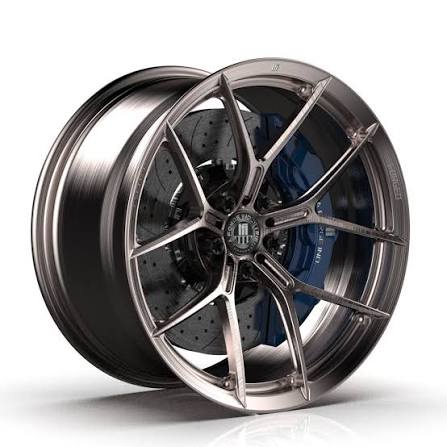
Choosing the right wheels can make a major difference in your car’s appearance, handling, and overall driving experience. Among the many options available today, custom forged wheels have become a popular choice for car enthusiasts who want premium custom forged wheels quality, lightweight construction, and a personalized look. Unlike standard cast wheels, forged wheels are manufactured from a solid piece of aluminum and engineered for strength and precision.
However, choosing the best forged wheels is not simply about selecting an attractive design. You need to consider your vehicle, driving style, wheel size, fitment, finish, and budget. This guide explains the most important factors to consider before purchasing custom forged wheels for your car.
Understand What Forged Wheels Offer
Forged wheels are made by applying high pressure to a solid aluminum billet, creating a dense and strong wheel structure. This manufacturing process allows manufacturers to produce wheels that are both lightweight and durable.
Reducing unsprung weight can contribute to improved steering response, acceleration, braking, and suspension performance. At the same time, the strength of forged aluminum makes these wheels suitable for demanding driving conditions when they are properly designed and rated for the vehicle.
The custom aspect also allows buyers to choose specific dimensions, offsets, finishes, and designs rather than being limited to standard factory options.
Choose the Correct Wheel Size
Wheel diameter and width are two of the most important factors when selecting new wheels. A larger wheel can create a more aggressive appearance, while the correct width can help provide appropriate tire support.
Before choosing a size, check your vehicle manufacturer’s recommended specifications. You should also consider the tire size that will be installed on the wheel.
Increasing wheel diameter without considering tire dimensions can affect ride comfort, handling, and clearance. A professional wheel specialist can help determine a suitable combination for your vehicle.
Pay Attention to Wheel Fitment
Fitment is one of the most important considerations when purchasing custom forged wheels. Even a beautifully designed wheel will not work properly if its dimensions do not match your vehicle.
Important fitment measurements include bolt pattern, center bore, wheel width, diameter, and offset. The offset determines how far the wheel sits inward or outward in relation to the vehicle’s suspension and bodywork.
Incorrect offset can cause clearance problems with suspension components, brake calipers, or fenders. Therefore, always verify the exact specifications of your vehicle before ordering.
Consider Your Driving Style
Your driving habits should influence the type of forged wheels you select. A car primarily used for daily commuting may require a different setup from a vehicle used for track days or spirited driving.
For everyday driving, focus on durability, practical dimensions, and a finish that can withstand normal road conditions. Performance-oriented drivers may prioritize reduced weight, optimized dimensions, and designs that provide sufficient brake clearance.
If you frequently drive on rough roads, extremely large wheels with very low-profile tires may not be the most practical option. Choosing a balanced setup can help provide better comfort and durability.
Select a Design That Matches Your Car
One of the biggest advantages of custom forged wheels is the ability to personalize their appearance. You can choose from many spoke patterns, face styles, lip designs, and other visual details.
Consider your car’s overall styling before selecting a wheel design. A classic vehicle may look better with a simple multi-spoke design, while a modern sports car may suit a more aggressive appearance.
The goal should be to select a design that complements the vehicle rather than overwhelming its existing styling. Wheel design can dramatically change the visual character of a car, so take time to compare different options.
Choose the Right Finish
Custom wheels can be produced in a wide range of finishes. Popular choices include gloss, satin, matte, brushed, polished, and custom-painted finishes.
Your choice should depend on both appearance and practicality. Some finishes can require more maintenance to keep them looking their best, while others may be easier to clean.
Think about the color of your vehicle, exterior trim, brake components, and other styling details. A well-matched finish can create a cohesive appearance and make the wheels look like an integral part of the car.
Check Brake Clearance
Brake clearance is another factor that should never be overlooked. Performance vehicles often have large brake calipers and rotors that require sufficient space inside the wheel.
A wheel may have the correct diameter but still fail to clear the brakes because of its spoke design or barrel dimensions. When ordering custom forged wheels, provide accurate information about your vehicle’s brake setup.
A reputable manufacturer or wheel specialist can use fitment specifications to help ensure that the wheels provide adequate brake clearance.
Consider Wheel Weight
Weight is one of the major reasons enthusiasts choose forged wheels. A properly engineered lightweight wheel can reduce unsprung and rotational mass compared with heavier alternatives.
Lower wheel weight may contribute to more responsive steering and suspension behavior. It can also make the vehicle feel more agile, particularly when combined with appropriately selected tires.
However, the lightest wheel is not automatically the best wheel. Strength, load rating, construction quality, and proper fitment should always be considered alongside weight.
Focus on Quality and Manufacturing
Not all wheels are manufactured to the same standards. When investing in custom forged wheels, research the manufacturer and learn about its production methods and quality-control procedures.
Look for manufacturers that provide detailed specifications, appropriate load ratings, accurate fitment information, and quality finishes. Established manufacturers are generally more transparent about the materials and processes used to produce their wheels.
Since wheels are safety-critical components, quality should be more important than simply choosing the cheapest available option.
Set a Realistic Budget
Forged wheels typically cost more than standard cast wheels because of their manufacturing process, customization options, and material quality.
Before shopping, determine how much you are prepared to spend on the complete setup. Remember that your total cost may include wheels, tires, mounting, balancing, valves, and installation.
A realistic budget will help you narrow down your choices without compromising important factors such as safety and fitment.
Think About Maintenance
Your wheels will be exposed to road debris, brake dust, moisture, and changing weather conditions. Proper maintenance can help preserve their appearance and finish.
Use wheel-safe cleaning products and avoid harsh chemicals that may damage the finish. Regular cleaning can prevent brake dust and road contaminants from building up.
You should also inspect the wheels periodically for visible damage, particularly if you regularly drive over potholes or rough roads.
Work With a Professional
If you are uncertain about wheel dimensions, offsets, tire sizes, or brake clearance, working with an experienced wheel professional is a smart choice.
A professional can verify your vehicle specifications and recommend a combination that fits correctly. They can also help you understand how different wheel sizes may affect ride quality and handling.
Because custom wheels can involve significant investment, professional advice can help prevent expensive fitment mistakes.
Final Thoughts
Choosing the best custom forged wheels requires more than picking a design that looks good. You need to consider wheel size, width, offset, bolt pattern, brake clearance, weight, finish, driving style, manufacturing quality, and budget.
The right wheels should complement your vehicle while providing appropriate performance and durability. Take time to research reputable manufacturers, confirm your vehicle’s specifications, and consult a professional when necessary.
With the right combination of engineering, fitment, and styling, custom forged wheels can give your car a distinctive appearance while supporting a more responsive and enjoyable driving experience.