
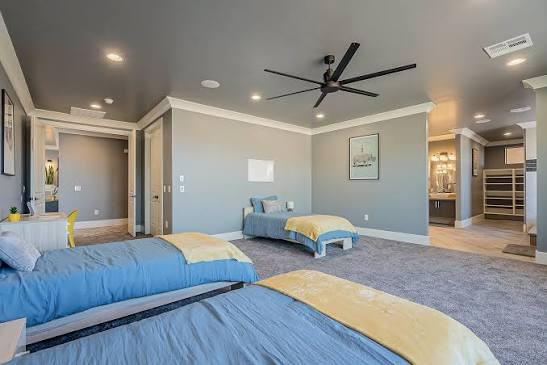
Finding the right mental health support for a teenager can be a challenging journey for families. When a young person is struggling with emotional, behavioral, or psychological issues that require more than outpatient therapy, residential care may provide adolescent residential treatment centers in arizona the structured environment and professional support they need. Adolescent residential treatment centers in Arizona offer specialized programs designed to help teens overcome challenges while developing healthier coping skills, emotional stability, and confidence for the future.
Arizona has become a popular location for youth treatment programs because of its peaceful landscapes, therapeutic environments, and variety of specialized care options. Families searching for support often look for programs that combine clinical treatment, education, life skills training, and personal growth opportunities. Understanding how these centers work can help parents make an informed decision for their child.
Understanding Adolescent Residential Treatment
Adolescent residential treatment is a type of intensive mental health care where teenagers live at a treatment facility while receiving therapy and support. Unlike traditional outpatient programs, residential treatment provides 24-hour supervision and a structured daily routine. This approach allows teens to focus fully on recovery away from negative influences, stressful situations, or environments that may contribute to their struggles.
Many teenagers enter residential programs due to challenges such as anxiety, depression, trauma, substance abuse, behavioral concerns, mood disorders, or difficulty managing emotions. These programs are designed to address the underlying causes of these issues rather than only treating symptoms.
The main goal is to help adolescents develop the skills needed to return home, continue their education, maintain healthy relationships, and manage future challenges more effectively.
Why Families Consider Treatment Centers in Arizona
Choosing a treatment location is an important decision, and many families explore adolescent residential treatment centers in Arizona because of the state’s unique therapeutic advantages. Arizona provides a calm setting away from everyday pressures, allowing teens to concentrate on personal growth and healing.
The natural environment can also support therapeutic activities. Many programs incorporate outdoor experiences, adventure-based therapy, mindfulness practices, and recreational activities to encourage confidence and emotional development.
In addition, Arizona has a wide range of treatment providers offering different levels of care. Families can find programs focused on specific needs, including trauma recovery, emotional regulation, behavioral improvement, and mental health stabilization.
Types of Programs Available for Teens
Adolescent residential treatment centers in Arizona provide different programs based on the needs of each teenager. Every teen has unique experiences, challenges, and goals, so treatment plans are usually customized.
Mental Health Treatment Programs
Mental health-focused residential programs help teens dealing with emotional and psychological difficulties. Treatment may include individual therapy, group counseling, family sessions, and psychiatric support when needed.
These programs often focus on improving self-awareness, managing emotions, building communication skills, and developing healthier thought patterns.
Trauma-Informed Care Programs
Many teenagers experience difficult life events that impact their mental health and behavior. Trauma-informed programs help teens process these experiences in a safe and supportive environment.
Therapists use approaches designed to build trust, emotional safety, and resilience. The focus is on helping adolescents understand their experiences and develop positive ways to cope.
Behavioral Support Programs
Some teens struggle with anger, defiance, impulsive decisions, or behaviors that interfere with school and relationships. Behavioral treatment programs provide structure and guidance to help young people learn responsibility and better decision-making skills.
These programs often include behavioral therapy, skill-building activities, and consistent routines that encourage positive changes.
Key Features of Quality Residential Treatment Centers
When researching adolescent residential treatment centers in Arizona, families should look for programs that provide comprehensive and professional care. Several important features can help determine whether a center is the right fit.
A quality program should have licensed mental health professionals, experienced therapists, and trained staff members who understand adolescent development. The treatment team should create personalized plans based on each teen’s needs.
Another important factor is family involvement. Successful treatment often includes parents or guardians through family therapy, progress updates, and education about supporting their teen after treatment.
Education support is also essential. Many residential centers provide academic services so students can continue learning while receiving treatment. This helps teens stay connected to their educational goals and prepare for their return to traditional schooling.
The Importance of a Personalized Treatment Plan
Every teenager has different experiences, strengths, and challenges. Effective residential treatment focuses on creating individualized plans rather than using the same approach for every teen.
A personalized treatment plan may include therapy sessions, medication management when appropriate, academic support, recreational activities, and life skills training. Treatment goals are regularly reviewed to ensure progress and make adjustments when necessary.
Personalized care helps teens feel understood and supported, which can improve their willingness to participate in the recovery process.
How Families Can Choose the Right Center
Selecting a residential treatment center requires careful research. Families should consider several factors before making a decision.
First, parents should evaluate whether the program specializes in treating their teenager’s specific needs. A center with experience handling similar challenges may provide more effective support.
Families should also ask about the treatment methods used, staff qualifications, safety procedures, educational services, and communication policies. Visiting a facility or speaking directly with admissions staff can provide valuable insight into the environment.
Location, cost, program length, and aftercare support are also important considerations. A strong transition plan after completing residential treatment can help teens maintain progress when they return home.
The Role of Family Support During Recovery
Family involvement plays a major role in a teenager’s long-term success. Residential treatment provides professional guidance, but continued support at home helps reinforce positive changes.
Parents can support recovery by practicing open communication, learning about their teen’s challenges, and creating a stable home environment. Family therapy can help improve relationships and address issues that may affect the teenager’s progress.
Recovery is a process that requires patience, understanding, and teamwork between the teen, family members, and treatment professionals.
Preparing Teens for Life After Treatment
A successful residential program does not only focus on immediate improvement. It also prepares teenagers for future independence and healthy decision-making.
Many programs teach important life skills such as communication, problem-solving, emotional management, and goal setting. These skills help teens handle future challenges with greater confidence.
Aftercare planning may include continued therapy, support groups, outpatient services, or educational guidance. A strong transition plan reduces the risk of setbacks and encourages continued growth.
Conclusion
Choosing the right support for a struggling teenager is one of the most important decisions a family can make. Adolescent residential treatment centers in Arizona provide structured care, professional therapy, and supportive environments where teens can work toward emotional and personal growth.
By understanding treatment options, evaluating program features, and staying involved throughout the process, families can find a program that meets their teenager’s needs. With the right support system, adolescents can develop healthier coping skills, rebuild confidence, and move toward a more positive future.