
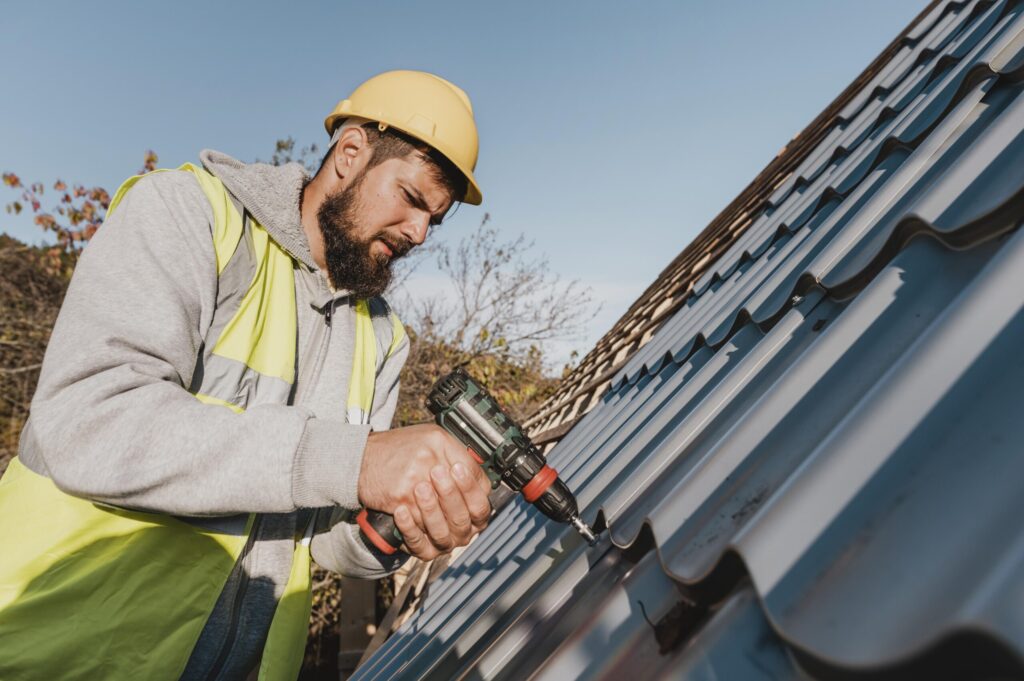
Maintaining a home comes with its share of challenges, and one of the most critical aspects is the roof. A well-maintained roof not only protects your home from the elements but also adds to the overall value and safety of your property. For homeowners, understanding the essentials of roof maintenance and repair is crucial. This guide will walk you through the essentials of Roof Repairs, offering practical tips and advice to make the process easier and more manageable.
Understanding Your Roof
Before diving into Roof Repairs, it’s important to understand the type of roof you have. Roofs come in various materials such as asphalt shingles, metal, clay tiles, and slate. Each type has unique characteristics, lifespan, and repair requirements. Knowing your roof’s material will help you identify potential problems more quickly and determine the appropriate repair methods.
Regular inspections are vital. Look for signs like cracked or missing shingles, leaks, sagging areas, and water stains inside your home. Catching issues early can prevent costly repairs later. A visual inspection can be done from the ground, but a more thorough inspection may require a ladder and safety precautions.
Common Roof Problems
Homeowners often encounter similar issues that necessitate Roof Repairs. Understanding these problems can help you address them promptly:
- Leaks and Water Damage: One of the most common issues, leaks can occur due to damaged shingles, flashing problems, or poor roof ventilation. Water damage can compromise structural integrity if left unaddressed.
- Shingle Damage: Shingles may crack, curl, or blow off during storms or due to aging. Damaged shingles not only look unsightly but also expose your roof to further damage.
- Flashing Issues: Flashing protects roof edges, vents, and chimneys. Deteriorated or loose flashing can lead to leaks.
- Ponding Water: Flat or low-sloped roofs are susceptible to water accumulation, which can cause leaks and structural issues over time.
- Gutter Problems: Clogged or damaged gutters prevent proper water drainage, leading to roof damage and foundation problems.
Essential Tools for DIY Roof Repairs
While some Roof Repairs require professional assistance, many minor issues can be addressed by homeowners with the right tools:
- Ladder with stabilizers
- Safety harness and gloves
- Roofing nails and hammer
- Roofing sealant or cement
- Replacement shingles or tiles
- Utility knife and pry bar
- Measuring tape
Safety should always be your priority. Never attempt a repair without proper safety gear, and if you’re uncomfortable with heights or complex repairs, it’s better to call a professional.
Step-by-Step Guide to Common Repairs
Replacing Damaged Shingles
Replacing damaged shingles is one of the most straightforward Roof Repairs. Start by lifting the edges of the surrounding shingles and remove the damaged one. Slide a new shingle into place, secure it with nails, and seal the edges with roofing cement. Always ensure the new shingles align properly to maintain the roof’s integrity.
Fixing Leaks
Leaks require careful attention. Begin by identifying the source, which may be a cracked shingle, faulty flashing, or gap around vents. Apply roofing sealant to the affected area for minor leaks. For larger leaks, replacing shingles or repairing flashing may be necessary. Remember, addressing leaks promptly prevents water damage and mold growth.
Repairing Flashing
Flashing repair involves removing the damaged metal strips around chimneys, vents, or roof edges. Install new flashing and seal all edges with roofing cement to ensure a watertight seal. Proper flashing is essential to prevent leaks and maintain structural stability.
Clearing Gutters
Gutters play a vital role in directing water away from your home. Regularly clean leaves, debris, and dirt to avoid water backup. Damaged gutters can be patched or replaced as needed, which is a crucial part of Roof Repairs.
When to Call a Professional
While many minor repairs can be DIY, some situations demand professional intervention:
- Extensive damage after storms or hurricanes
- Large leaks or water damage affecting ceilings and walls
- Structural issues or sagging roof areas
- Complex roof types like flat or multi-tiered roofs
Hiring a professional ensures the repair is done safely and effectively. They also provide warranties for work completed, offering peace of mind for homeowners.
Preventive Roof Maintenance
The best way to reduce the need for extensive Roof Repairs is through regular maintenance. This includes:
- Inspecting your roof at least twice a year
- Cleaning gutters and downspouts regularly
- Trimming overhanging tree branches to prevent damage
- Removing moss, algae, or debris from shingles
- Checking for signs of wear around flashing, vents, and chimneys
Preventive maintenance not only extends your roof’s lifespan but also saves money by addressing minor issues before they escalate.
Budgeting for Roof Repairs
Roof repairs can vary in cost depending on the severity of the damage and roof type. Minor repairs such as replacing shingles or sealing leaks are generally affordable, while structural repairs may require a larger investment. Setting aside a maintenance fund can help homeowners manage unexpected repair costs without financial strain.
Conclusion
Roof maintenance and repairs are essential parts of responsible homeownership. By understanding common issues, learning basic repair techniques, and knowing when to call a professional, homeowners can ensure their roof remains strong and reliable. From minor shingle replacements to thorough inspections, Roof Repairs don’t have to be daunting. With the right knowledge and proactive approach, protecting your home from the elements becomes a manageable task.
Taking care of your roof today ensures your home remains safe, comfortable, and valuable for years to come. Proper attention to detail, regular inspections, and timely repairs are the keys to successful roof maintenance, making the process of Roof Repairs easier for every homeowner.