
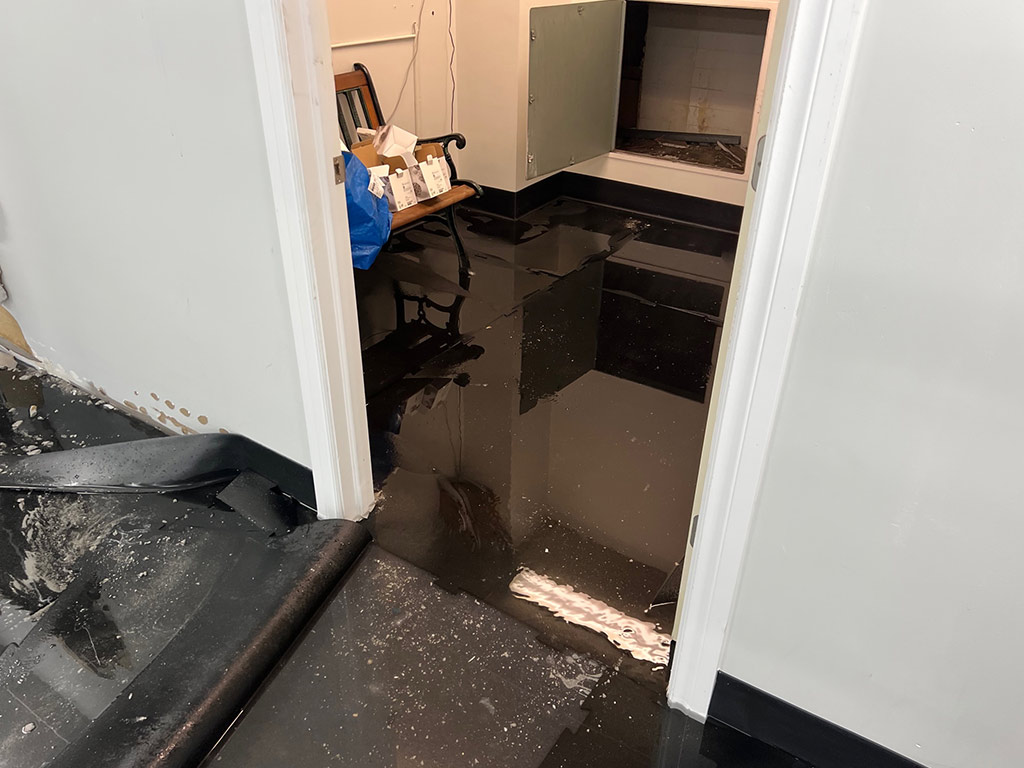
Water removal is an essential process for maintaining the integrity of homes, businesses, and other structures after flooding, leaks, or water damage incidents. Ignoring excess water can lead to structural damage, mold growth, and health hazards. To effectively handle water problems, it is crucial to implement strategies that are both practical and proven to work.
Understanding the Importance of Water Removal
Water removal is not just about clearing standing water. It’s about preventing long-term consequences such as wood warping, metal corrosion, and microbial growth. Quick and efficient water removal can save both time and money, and it ensures that your property remains safe for occupants. Knowing the right methods and tools to use is the first step toward effective water removal.
Identifying the Source and Scope of Water
Before starting water removal, it’s important to identify the source of the water. Whether it’s a burst pipe, heavy rainfall, or a leaking appliance, knowing the source helps in preventing further damage. Assessing the scope of water intrusion is equally important. Small leaks may only require a mop and towels, while larger flooding events might necessitate professional water removal equipment. Proper assessment ensures that the removal process is thorough and effective.
Using Pumps and Wet/Dry Vacuums
For significant water accumulation, pumps and wet/dry vacuums are indispensable tools in water removal. Submersible pumps can efficiently remove large volumes of water from basements or flooded areas. Wet/dry vacuums are useful for smaller amounts of water and help in reaching areas that are difficult to access. When using these devices, ensure all electrical connections are safe and dry to prevent accidents.
Removing Water from Carpets and Upholstery
Carpets and upholstery are particularly vulnerable to water damage. Effective water removal from these surfaces is essential to prevent mold growth and lingering odors. Use a wet/dry vacuum to extract as much water as possible. Afterward, apply fans and dehumidifiers to dry the area completely. In cases of severe saturation, professional water removal services may be necessary to prevent permanent damage.
Utilizing Dehumidifiers and Fans
After removing standing water, drying the affected area is critical. Dehumidifiers play a major role in water removal by extracting moisture from the air, which helps prevent mold growth. Fans increase air circulation, speeding up the drying process. Position fans strategically to cover the entire affected area. Combining fans with dehumidifiers ensures that both the surface and hidden areas, like behind walls or under floors, dry effectively.
Applying Absorbent Materials
In addition to mechanical tools, absorbent materials like towels, sponges, and specialized water-absorbing pads are effective for water removal in smaller areas. These materials help soak up residual water that equipment may miss. For water spills on hardwood floors or delicate surfaces, absorbent materials prevent water from seeping deeper and causing long-term damage.
Using Professional Water Removal Services
For severe water damage, professional water removal services are the most reliable option. Experts have access to high-powered pumps, industrial-grade dehumidifiers, and moisture detection tools that ensure complete water removal. They also have the experience to identify hidden moisture pockets that could lead to mold or structural issues. Hiring professionals can save homeowners both time and costly repairs.
Preventing Future Water Damage
Effective water removal strategies also involve prevention. Regular maintenance of plumbing systems, proper grading around your home, and installing sump pumps in basements can reduce the risk of water accumulation. Additionally, using water-resistant materials in vulnerable areas provides long-term protection. Prevention, combined with effective water removal, ensures that your property remains safe and dry.
Monitoring and Follow-Up
After initial water removal, it’s essential to monitor the area for lingering moisture. Moisture meters can detect hidden damp spots, allowing for additional drying if needed. Continuous monitoring prevents mold growth and ensures that water removal efforts were successful. Follow-up inspections are especially important in areas like basements, crawl spaces, and behind walls where water may remain trapped.
Conclusion
Water removal is a critical step in protecting property and ensuring a safe environment after water damage. By combining thorough assessment, the use of pumps, vacuums, dehumidifiers, absorbent materials, and professional services when necessary, homeowners can address water problems efficiently. Prevention strategies and continuous monitoring further enhance the effectiveness of water removal. Prioritizing these strategies ensures that your property remains dry, safe, and resilient against future water-related incidents.
By implementing these practical water removal strategies, you not only protect your home but also prevent costly repairs and health hazards associated with prolonged water exposure. Proper planning, the right tools, and timely action are key to successful water removal.