
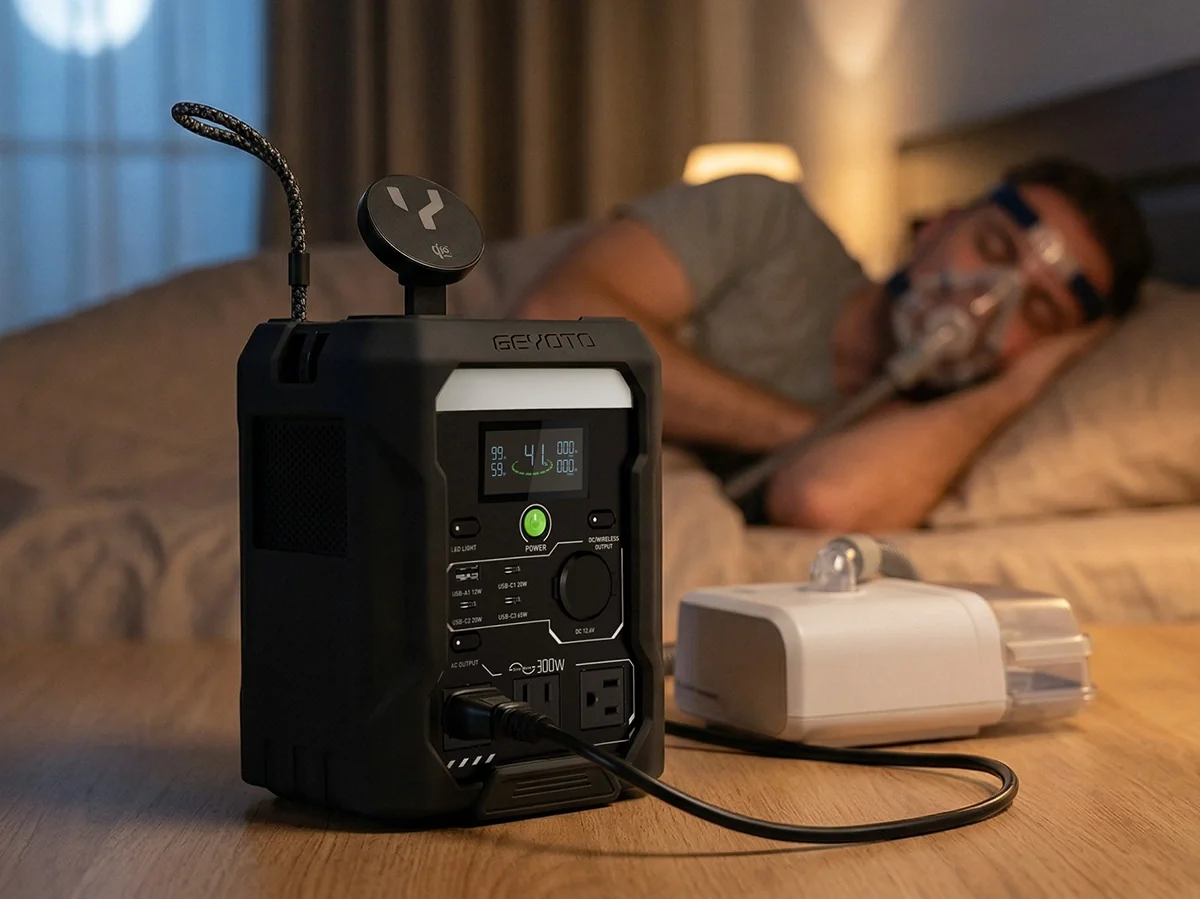
Continuous Positive Airway Pressure (CPAP) therapy plays an essential role in helping people manage sleep apnea and maintain healthy breathing patterns during sleep. However, many CPAP users depend on a constant power supply to keep their machines operating throughout the night. Unexpected power outages, storms, camping trips, or travel situations can create challenges for individuals who rely on CPAP devices. A CPAP battery backup provides a dependable solution by keeping CPAP machines powered when standard electricity is unavailable.
A CPAP battery backup is designed to deliver emergency power for CPAP and BiPAP machines, allowing users to continue their prescribed therapy without interruption. Whether there is a temporary blackout at home or a need for portable power during outdoor activities, these backup systems provide peace of mind and improve the overall reliability of sleep therapy equipment.
Understanding the Importance of a CPAP Battery Backup
For individuals with sleep apnea, consistent CPAP therapy is important for maintaining proper airflow during sleep. When a power failure occurs, a CPAP machine can suddenly stop working, potentially causing discomfort and disrupting sleep quality. A CPAP battery backup helps prevent these interruptions by supplying power automatically or manually when the main electricity source fails.
Power outages can happen unexpectedly due to severe weather, electrical problems, or natural disasters. During these situations, having a backup power source ensures that users can continue receiving necessary breathing support. This is especially valuable for people living in areas where outages are common or those who travel frequently.
Unlike traditional power banks, a CPAP battery backup is specifically engineered to meet the energy requirements of medical devices. These batteries are designed with compatible voltage outputs, safety features, and sufficient capacity to support CPAP machines for extended periods.
How a CPAP Battery Backup Works
A CPAP battery backup stores electrical energy that can be used to operate a CPAP machine when regular power is not available. Most backup batteries connect directly to the CPAP device through compatible cables or adapters. Once connected, the battery provides the required power needed for the machine to continue functioning.
Many modern backup batteries include advanced lithium-ion technology, which offers several advantages, including lightweight construction, longer battery life, and faster charging capabilities. These features make them suitable for both home emergency use and portable applications.
The operating time of a CPAP battery backup depends on several factors, including battery capacity, CPAP pressure settings, humidifier usage, and machine model. Users should check their CPAP device specifications and select a battery that can provide enough power for their individual needs.
Benefits of Using a CPAP Battery Backup
One of the biggest advantages of a CPAP battery backup is uninterrupted sleep therapy. Users do not have to worry about losing access to their CPAP machine during unexpected power failures. This reliability can improve confidence and reduce stress, especially for those who require nightly treatment.
Another important benefit is portability. Many CPAP users enjoy traveling, camping, or spending time in locations without reliable electrical access. A portable CPAP battery backup allows them to continue therapy while away from home. Whether staying in a remote cabin, traveling by RV, or experiencing outdoor adventures, backup power provides greater freedom.
A CPAP battery backup can also be valuable during emergencies. Hurricanes, floods, winter storms, and other disasters can damage electrical infrastructure and leave homes without power for extended periods. Having a reliable battery system available can help CPAP users remain prepared.
Choosing the Right CPAP Battery Backup
Selecting the correct CPAP battery backup requires careful consideration of several factors. Battery capacity is one of the most important features because it determines how long the CPAP machine can operate before recharging is needed. Users should choose a battery that matches their expected usage requirements.
Compatibility is another critical factor. Different CPAP machines have different power requirements, so the backup battery must be compatible with the specific device model. Checking manufacturer recommendations and connector options can help prevent compatibility issues.
Portability and weight are also important for travelers. A compact and lightweight CPAP battery backup is easier to carry and store while still providing sufficient power. Some models are designed specifically for airline travel and outdoor use, offering convenient solutions for people who are frequently away from home.
Charging options should also be considered. Many backup batteries can be charged through standard wall outlets, car adapters, or solar charging systems. Multiple charging methods provide additional flexibility during emergencies and outdoor activities.
CPAP Battery Backup for Travel and Outdoor Activities
Traveling with a CPAP machine becomes much easier when users have a dependable CPAP battery backup. Many people avoid certain trips because they are concerned about finding a reliable power source. A portable battery removes this limitation and allows CPAP users to enjoy more travel opportunities.
For camping trips, a CPAP battery backup can provide power in locations where electrical connections are unavailable. Outdoor enthusiasts can enjoy nature while maintaining their regular sleep therapy routine. Similarly, road travelers using RVs or vehicles can benefit from having backup power available during long journeys.
Air travel is another situation where portable CPAP batteries can be useful. Many airlines have specific guidelines regarding medical device batteries, so travelers should check airline policies before departure. Choosing an approved and properly rated battery helps ensure a smoother travel experience.
Maintaining Your CPAP Battery Backup
Proper maintenance can extend the lifespan and reliability of a CPAP battery backup. Users should regularly charge and inspect the battery according to manufacturer instructions. Storing the battery in a cool, dry location helps protect internal components and maintain performance.
It is also important to test the battery periodically to confirm that it can power the CPAP machine when needed. Waiting until an emergency occurs to check battery performance can create unnecessary problems.
Replacing an aging battery is another important part of maintenance. Over time, rechargeable batteries naturally lose capacity, which can reduce operating time. Monitoring battery performance ensures that users always have dependable backup power available.
The Future of CPAP Battery Backup Technology
As medical technology continues to advance, CPAP battery backup solutions are becoming more efficient, compact, and user-friendly. Improvements in battery technology are helping manufacturers create longer-lasting systems with faster charging and enhanced safety features.
Future developments may include smarter battery monitoring systems, improved energy efficiency, and more environmentally friendly designs. These innovations will continue making CPAP therapy more convenient for users who need reliable power solutions.
Conclusion
A CPAP battery backup is an essential accessory for anyone who depends on CPAP therapy and wants protection against unexpected power interruptions. It provides reliable energy during outages, supports travel flexibility, and helps ensure uninterrupted sleep treatment. By choosing a compatible, high-quality backup battery and maintaining it properly, CPAP users can enjoy greater confidence and independence while managing their sleep health needs.