
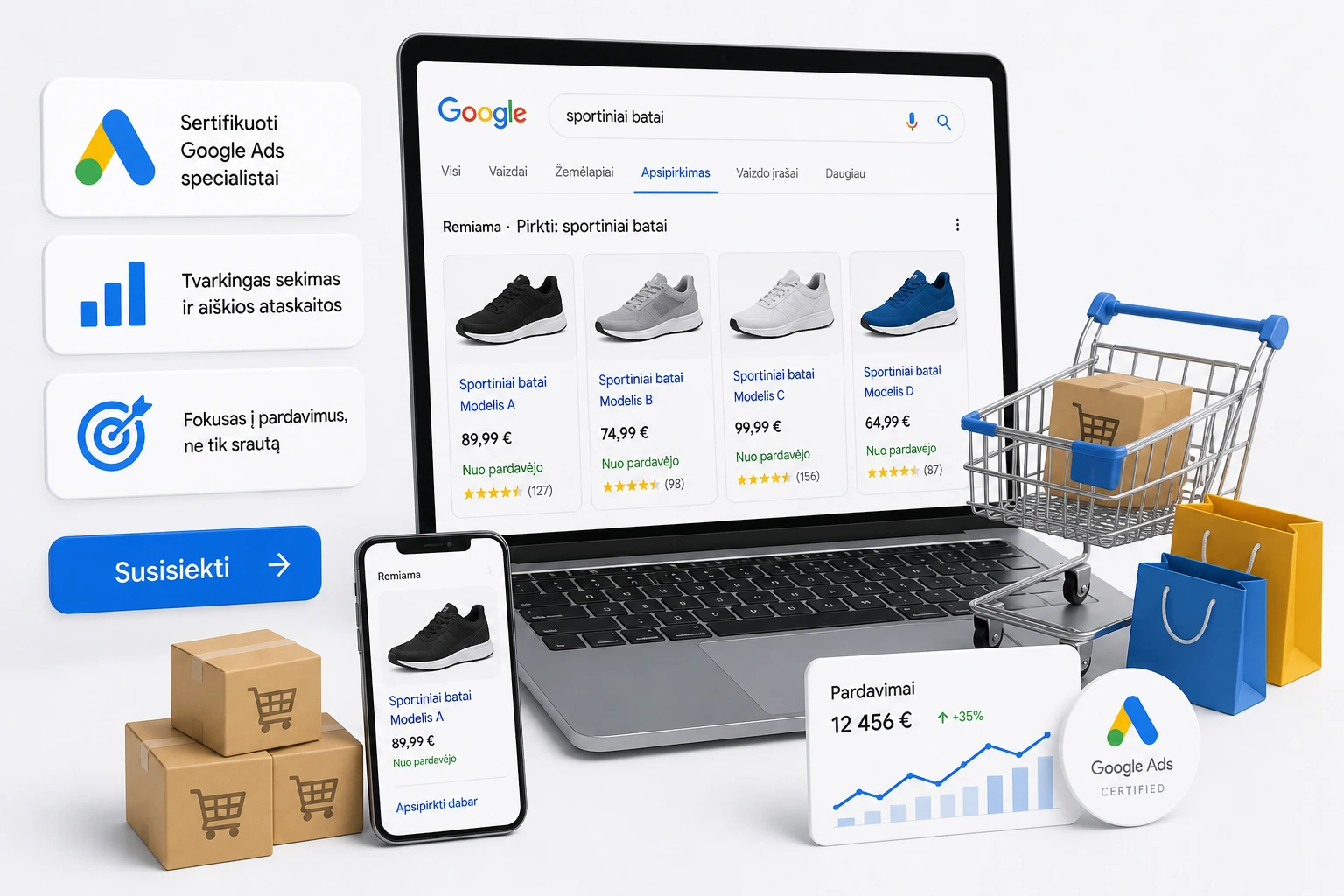
For small businesses, attracting new customers and increasing sales can be challenging in a competitive digital marketplace. Traditional advertising methods can be expensive, difficult to measure, and sometimes ineffective. Digital advertising offers a more targeted approach, allowing businesses to connect with potential customers at the exact moment they are searching for products or services. Among the available options, Google reklama can be a practical strategy for reaching people with strong purchase intent.
When properly planned and managed, Google advertising can help small businesses increase website traffic, generate qualified leads, promote products, and encourage customers to make purchases. However, success does not come simply from launching an advertisement. Businesses need a clear strategy, relevant messaging, accurate targeting, and continuous optimization.
Understanding the Value of Google Advertising
One of the main benefits of Google reklama is that it can put a small business in front of potential customers when they are actively looking for something. For example, someone searching for a local service, a specific product, or a professional solution may already have a strong intention to buy.
This makes search advertising particularly valuable. Instead of displaying an advertisement to a broad audience that may have little interest in the business, companies can target relevant searches and keywords. This approach can help improve the quality of website visitors and increase the likelihood of conversions.
Small businesses can also benefit from the measurable nature of digital advertising. Campaign performance can be evaluated through metrics such as clicks, impressions, conversion rates, and advertising costs. This information allows business owners to understand which campaigns are producing results and which areas need improvement.
Start With Clear Sales Goals
Before creating an advertising campaign, a small business should define what it wants to achieve. The goal might be increasing online purchases, generating phone calls, collecting leads, promoting a new service, or encouraging customers to visit a physical location.
A clear goal makes it easier to choose the right campaign structure and measure success. For example, an online retailer may focus on product sales, while a local professional service provider may prioritize form submissions and phone calls.
Businesses should also establish realistic performance targets. Instead of focusing only on the number of clicks, it is more useful to measure whether those clicks result in valuable customer actions. A campaign with fewer visitors but a higher conversion rate may be more profitable than one that generates large amounts of low-quality traffic.
Choose Keywords Based on Customer Intent
Keyword selection is one of the most important parts of an effective campaign. Small businesses should consider the words and phrases customers use when searching for their products or services.
Keywords with strong commercial intent can be especially valuable. A person searching for a product or service by name may be closer to making a purchase than someone searching for general information.
Businesses should also consider longer, more specific search phrases. These keywords may have lower search volumes, but they can attract highly relevant users. For example, a local company may target searches that combine a service with a specific city or area.
Regular keyword analysis is essential. Businesses can identify which search terms generate conversions and adjust their campaigns accordingly. Irrelevant searches can also be excluded to reduce wasted advertising spend.
Create Highly Relevant Landing Pages
Getting someone to click an advertisement is only the first step. The landing page must convince the visitor to take the next action.
A strong landing page should closely match the advertisement and the user’s search intent. If an advertisement promotes a particular service, visitors should be taken directly to a page explaining that service rather than a generic homepage.
The page should clearly communicate the main benefits of the product or service. Important information should be easy to find, while calls to action should be visible and straightforward. Depending on the business, the desired action might be making a purchase, completing a contact form, calling the company, or requesting a quote.
Mobile optimization is also essential because many potential customers browse and search using smartphones. A slow or difficult-to-use website can cause visitors to leave before completing a purchase.
Write Compelling Advertising Messages
Effective advertising copy should quickly explain why customers should choose a particular business. Small businesses can highlight unique selling points such as competitive pricing, professional expertise, fast service, convenient locations, free consultations, or specialized solutions.
The advertisement should reflect the customer’s needs rather than simply describing the business. Instead of using generic statements, companies should focus on the benefits customers can expect.
Calls to action can also encourage users to take the next step. Phrases that clearly communicate an action can help guide potential customers toward contacting the business or completing a purchase.
Testing different headlines and descriptions can reveal which messages perform best. Even small changes in wording can influence click-through rates and conversions.
Use Geographic Targeting for Local Sales
Local businesses can benefit significantly from geographic targeting. A restaurant, dental clinic, repair company, or local retailer may not need to advertise to people located hundreds of miles away.
By focusing campaigns on relevant locations, businesses can make their advertising more efficient. Geographic targeting can help ensure that advertising budgets are directed toward people who can realistically become customers.
Local businesses should also make their contact details, business hours, location information, and service areas easy to find. When customers are searching for immediate solutions, convenient access to this information can influence their purchasing decisions.
Manage the Advertising Budget Carefully
Small businesses often operate with limited marketing budgets, making financial control extremely important. Rather than spending money without a clear plan, businesses should establish daily or monthly limits and monitor campaign performance regularly.
The goal should not necessarily be to spend more, but to spend more effectively. Businesses should identify campaigns, keywords, and audiences that produce valuable results and allocate resources accordingly.
For example, if one campaign consistently generates qualified leads while another attracts visitors who rarely convert, the business may benefit from shifting more of its budget toward the stronger campaign.
Track Conversions and Measure Results
Clicks and impressions provide useful information, but they do not necessarily represent business success. Conversion tracking helps companies understand whether advertising is contributing to actual sales and leads.
Depending on the business model, conversions may include online purchases, phone calls, contact form submissions, appointment bookings, or quote requests.
By analyzing conversion data, small businesses can make better decisions about their marketing investments. They can identify profitable campaigns, improve weak areas, and understand which customer actions contribute most to revenue.
Continuously Optimize Campaign Performance
Digital advertising should be treated as an ongoing process rather than a one-time activity. Customer behavior, competition, search trends, and market conditions can change over time.
Small businesses should regularly review their campaign data and make adjustments. This may involve changing bids, updating advertisements, adding negative keywords, improving landing pages, or testing new targeting strategies.
Continuous optimization can help improve advertising efficiency over time. Even campaigns that initially perform well may benefit from regular testing and refinement.
Combine Google Advertising With SEO and Other Digital Strategies
Paid advertising can generate immediate visibility, but it should not necessarily operate independently. Small businesses can strengthen their overall online presence by combining advertising with search engine optimization, quality content, social media marketing, and a well-designed website.
SEO can help businesses build long-term organic visibility, while paid advertising can provide additional exposure for important commercial searches. Social media can support brand awareness and customer engagement, creating a broader digital marketing ecosystem.
A coordinated approach can help businesses reach potential customers at different stages of the buying journey.
How Market Smart Can Support Digital Growth
For businesses looking to develop a stronger digital presence in Lithuania, Market Smart positions itself as a digital marketing agency offering a broad range of online services. Its services include website development, artificial intelligence integrations and optimization, SEO services, Google advertising, Facebook advertising, and social media content creation and communication.
The agency emphasizes the experience of its professionals across website development, AI integration and optimization, SEO, Google and Facebook advertising, and other digital marketing activities. A combination of these services can help businesses create a more consistent online presence and connect different marketing channels.
For small businesses, working with experienced digital marketing professionals can also make it easier to manage campaign strategy, advertising optimization, website performance, and content development as part of a unified plan.
Conclusion
Google reklama can be a powerful tool for small businesses that want to increase sales and attract qualified customers. However, successful campaigns require more than simply placing advertisements online. Businesses need clear goals, relevant keywords, persuasive advertising messages, optimized landing pages, accurate targeting, and reliable conversion tracking.
By carefully managing budgets and continuously improving campaigns based on real performance data, small businesses can make their advertising efforts more efficient. When combined with SEO, website development, AI integrations, social media communication, and other digital marketing strategies, paid search advertising can become an important part of a broader approach to sustainable business growth.