
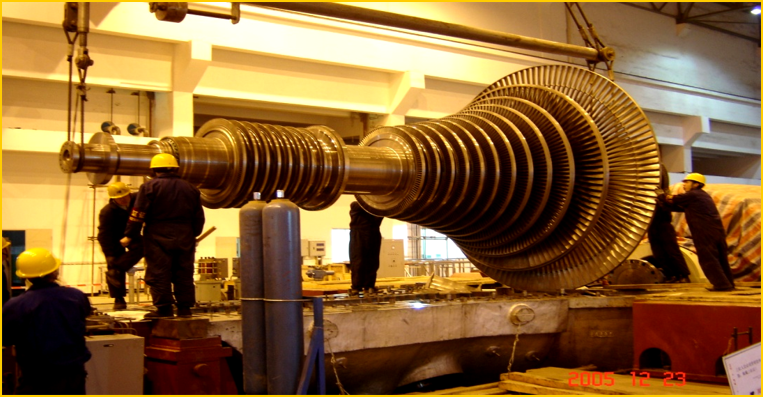
The energy industry is undergoing a significant transformation as utilities and industrial operators look for ways to enhance efficiency, reduce emissions, and extend the life of aging infrastructure. Among these strategies, retrofitting existing power plants has emerged as a highly effective solution. One of the most impactful retrofits is the steam turbine island retrofit for aging power plant units. By focusing on the turbine island, operators can realize significant performance improvements without the cost and complexity of building an entirely new facility.
Understanding the Need for Retrofits in Aging Power Plants
Many power plants around the world are reaching or have exceeded their original design lifespans. As components age, their efficiency decreases, maintenance costs rise, and the risk of unplanned outages increases. Aging turbines are particularly vulnerable since they are central to power generation and operate under extreme thermal and mechanical stresses. A steam turbine island retrofit for aging power plant units addresses these challenges directly, allowing older plants to meet modern performance and environmental standards.
Upgrading critical components such as the turbine rotor, blades, bearings, and control systems can restore much of the original efficiency and reliability. This approach also allows operators to integrate advanced monitoring and automation technologies, improving operational control and predictive maintenance capabilities. Ultimately, retrofits help utilities maintain competitiveness and avoid the costly alternatives of replacement or plant closure.
Components of a Steam Turbine Island Retrofit
A comprehensive steam turbine island retrofit for aging power plant units involves multiple components and systems, each targeting specific performance and reliability improvements.
Turbine Rotor and Blades: Over time, turbine rotors and blades can suffer from erosion, corrosion, and fatigue. Replacing or upgrading these parts with advanced materials and modern aerodynamic designs can significantly improve thermal efficiency and output. New blade profiles also help reduce vibration and mechanical stress, extending the turbine’s operational life.
Bearings and Seals: Bearings and seals are critical for turbine reliability. Advanced bearing designs and upgraded seals can reduce friction losses, prevent leaks, and improve the overall efficiency of the turbine. Modern materials and coatings further enhance wear resistance, lowering maintenance requirements and downtime.
Control Systems and Instrumentation: Modernizing turbine control systems is a key aspect of any retrofit. Advanced digital control systems allow for precise monitoring of operational parameters, faster response to load changes, and integration with plant-wide automation. Upgraded instrumentation ensures accurate data collection, enabling predictive maintenance and operational optimization.
Auxiliary Systems: Retrofits often include updates to auxiliary systems such as feedwater heaters, condensers, and pumps. These improvements reduce energy losses, enhance heat recovery, and support the overall efficiency gains from turbine upgrades.
Benefits of Retrofitting the Steam Turbine Island
The advantages of a steam turbine island retrofit for aging power plant units extend beyond immediate performance improvements.
Enhanced Efficiency: One of the most compelling reasons to retrofit is the improvement in thermal efficiency. Even modest gains of a few percentage points can translate into substantial fuel savings, reduced emissions, and increased power output. Efficiency improvements also help plants comply with stricter environmental regulations and carbon reduction targets.
Extended Plant Life: Retrofitting key turbine components can add 10–20 years to the operational life of a power plant. This extension allows utilities to defer the massive capital investment required for building new plants while maintaining reliable energy supply.
Reduced Maintenance Costs: Modern turbine components and advanced monitoring systems reduce the frequency and severity of unplanned maintenance events. Predictive maintenance enabled by upgraded instrumentation helps identify potential issues before they become critical, lowering downtime and repair expenses.
Operational Flexibility: Upgraded turbines can handle load fluctuations and start-stop cycles more effectively. This flexibility is particularly valuable for plants supporting renewable integration, where variable generation requires rapid adjustments in output.
Environmental Compliance: Improving turbine efficiency reduces fuel consumption and associated emissions. Additionally, retrofits may enable the adoption of cleaner technologies and retrofitting of emission control systems, helping plants meet evolving environmental standards.
Key Considerations for Planning a Retrofit
Successful implementation of a steam turbine island retrofit for aging power plant units requires careful planning and coordination. Several key factors must be considered:
Assessment of Existing Equipment: A thorough evaluation of the current turbine, auxiliary systems, and plant layout is essential. This assessment identifies components with the greatest potential for efficiency gains and ensures compatibility with new technologies.
Customization of Solutions: Each power plant has unique design characteristics and operational requirements. Retrofits should be tailored to the specific conditions of the plant to maximize benefits and minimize risks. Off-the-shelf solutions may not address all challenges of aging equipment.
Integration with Plant Systems: Turbine upgrades must be compatible with existing balance-of-plant systems, including boilers, condensers, and control networks. Careful engineering ensures seamless integration, preventing bottlenecks or operational conflicts.
Downtime and Scheduling: Retrofits require careful scheduling to minimize plant downtime. Planning work during low-demand periods or in phases can reduce the impact on electricity supply and revenue.
Financial Analysis: While retrofits are typically less expensive than new construction, they still require significant investment. A detailed cost-benefit analysis, considering fuel savings, efficiency gains, extended plant life, and reduced maintenance, ensures that the project is economically viable.
Case Studies Highlighting Successful Turbine Retrofits
Around the world, numerous power plants have successfully undergone steam turbine island retrofits for aging power plant units, demonstrating the tangible benefits of this approach. In some cases, plants achieved efficiency gains of 3–5%, translating to millions in annual fuel savings. Others reported significant reductions in unplanned outages and maintenance costs, improving overall reliability and plant availability.
In addition, retrofitted plants often see environmental benefits, such as lower CO₂ emissions and reduced water usage due to improved heat recovery. These case studies illustrate that turbine retrofits are not just a technical upgrade but a strategic investment in operational efficiency, sustainability, and long-term competitiveness.
Future Trends in Turbine Retrofits
The future of power plant retrofits is closely tied to technological advancements and evolving energy demands. Innovations in materials, blade design, and digital controls continue to expand the potential benefits of turbine upgrades. Advanced simulation and modeling tools allow engineers to predict performance improvements before implementing changes, reducing risk and optimizing outcomes.
Additionally, the growing emphasis on decarbonization and renewable integration is driving interest in flexible, high-efficiency turbine retrofits. Plants retrofitted today will be better positioned to adapt to future energy market dynamics and regulatory requirements, ensuring that they remain valuable assets for decades.
Conclusion
A steam turbine island retrofit for aging power plant units is a powerful strategy for transforming existing power plants. By focusing on key components such as rotors, blades, bearings, and control systems, operators can significantly improve efficiency, reliability, and operational flexibility. These retrofits extend the life of aging assets, reduce maintenance costs, and support environmental compliance, making them a cost-effective alternative to new construction.
As energy markets evolve and the demand for sustainable, reliable power grows, turbine retrofits will continue to play a central role in modernizing the global power infrastructure. For utilities and industrial operators, investing in a steam turbine island retrofit for aging power plant units is not just a technical upgrade—it is a strategic step toward a more efficient, resilient, and environmentally responsible energy future.